





For many entrepreneurs, the idea of building a business is often closely tied to access to large amounts of capital. In reality, especially within African markets, growth is rarely linear and almost never perfectly funded. Many businesses begin small, evolve slowly, and survive not because of abundance, but because of resilience, client trust, and disciplined decision-making.
Across Africa and globally, business owners face similar questions: How do you grow when capital is limited? How do you keep moving forward when the economy is difficult? And how do you sustain belief in the business when the journey becomes overwhelming?
A recent conversation on An Hour With A Manager (AHWAM) offers grounded insights into these challenges through the lived experience of a fashion entrepreneur navigating financing constraints, team management, and an increasingly important growth lever, the diaspora market.
Starting Small: The Reality of Financing African Businesses
Contrary to popular assumptions, many successful African businesses do not begin with large capital injections. In this case, the business started modestly, with manageable resources that were sufficient at the early stage.
However, as the business began to grow, the need for additional financial backing naturally increased. Like many entrepreneurs, the founder faced a familiar tension: balancing ambition with available resources. Instead of halting operations due to economic pressures or funding gaps, the focus shifted to careful management, cost control, and serving existing clients well.
This approach reflects a broader truth about entrepreneurship in African contexts: sustainability often comes from making the most of what is available, rather than waiting for ideal conditions.
Growing Through Client Trust, Not only Capital
One of the most striking insights from the conversation is the role of customer trust as a growth engine. The business continued to operate, even in difficult economic periods, because satisfied clients kept it alive.
Positive feedback, repeat orders, and referrals became a form of non-financial capital. Trust replaced advertising spend. Reputation replaced aggressive expansion. This reinforces a critical leadership lesson: a loyal customer base can be more powerful than external funding, especially in service-driven industries.
In environments where access to finance is uncertain, trust becomes currency.
The Strategic Advantage of the Diaspora Market
An important turning point in the business 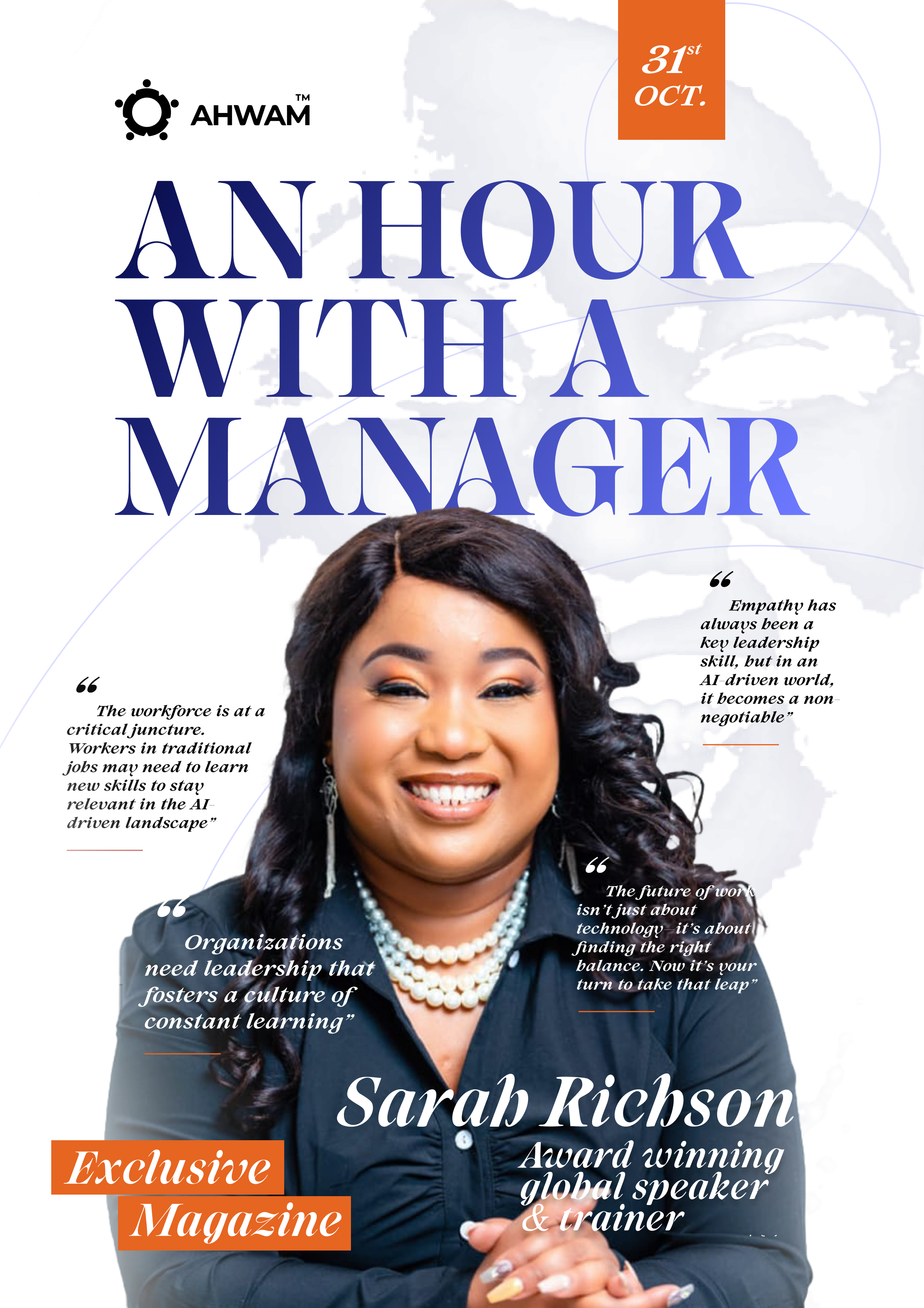
For many African entrepreneurs, the diaspora represents:
- Strong purchasing power
- High appreciation for culturally rooted products and services
- Reliable word-of-mouth networks
Servicing international clients also introduces higher expectations for quality, communication, and delivery, pushing businesses to professionalize their operations. In this case, positive diaspora feedback did more than generate revenue; it reinforced confidence and motivation during challenging periods.
Leadership Under Pressure: Managing People and Personal Doubt
Beyond financing, the conversation highlights another often overlooked challenge: people management. Running the business required balancing client expectations while managing workers who operate behind the scenes.
The founder emphasized a simple but powerful leadership approach:
- Taking one step at a time
- Communicating expectations clearly to the team
- Understanding that team performance directly reflects on leadership
There were moments of doubt, times when stepping away from the business felt tempting. Yet persistence, open communication, and appreciation for the existing team became stabilizing forces. This reflects a broader leadership reality: many businesses survive not because the leader never doubts, but because they continue despite it.
Strategic Takeaways for African Entrepreneurs and Managers
- Start with what you have: Growth does not require perfect funding conditions.
- Treat trust as capital: Satisfied clients can sustain and grow a business.
- Explore diaspora opportunities: International markets can provide stability and referrals.
- Lead with clarity and patience: Team alignment directly impacts business outcomes.
- Accept the journey: Uncertainty and doubt are part of leadership, not signs of failure.
The AHWAM Perspective
At AHWAM, we believe that African leadership stories matter most when they reflect real experiences, not idealized success narratives. This conversation reinforces a core truth: resilient businesses are built through discipline, trust, and steady leadership, even in constrained environments.
By sharing these stories, AHWAM continues its mission of elevating African management through honest dialogue, practical insight, and community learning.
Quote: Leadership is not defined by the absence of struggle, but by the ability to remain committed through it. - AHWAM
Summary
Building and sustaining a business in Africa often requires navigating limited financing, economic volatility, and personal doubt. Yet, as this experience shows, resilience, client trust, and strategic market choices can carry a business forward.